
For decades, high-output environments in finance, university lecture halls, and corporate culture treated sleep as an optional luxury: a biological bank account you could overdraw during busy weeks and settle up on Sunday morning. Yet a closer look at contemporary neuroscience, human endocrinology, and continuous biometric telemetry makes one reality unmistakable. Sleep is not passive rest. It is an active, metabolically intricate period of neurological and cellular restoration that acts as the primary multiplier on cognitive sharpness, emotional composure, metabolic health, and physical recovery.
1. The Two-Process Model of Sleep Regulation: Process S vs. Process C
First formalized by Swiss sleep researcher Alexander Borbély in 1982 and expanded upon by neuroscientist Matthew Walker in Why We Sleep (2017), human sleep-wake regulation is governed by two independent yet synchronized biological mechanisms that determine both our alertness during the day and the depth of our sleep at night:
- Process S (Homeostatic Sleep Drive & Adenosine Clearance): From the exact minute you wake up in the morning, neurons and glial cells consume cellular energy in the form of adenosine triphosphate (ATP). As ATP is degraded throughout waking cognitive and physical exertion, extracellular adenosine accumulates across the basal forebrain, binding to A1 and A2A receptors that inhibit wake-promoting centres and turn up sleep pressure. Caffeine works not by manufacturing new cellular energy, but as a competitive adenosine-receptor antagonist: it parks itself in the receptor sites to block the drowsiness signal. Because hepatic cytochrome P450 (CYP1A2) enzymes metabolize caffeine with an average half-life of 5 to 7 hours (and a quarter-life of 10 to 12 hours), when the caffeine finally unbinds, all of the accumulated adenosine rushes back at once—producing the classic afternoon “caffeine crash.”
- Process C (Circadian Rhythm & the Suprachiasmatic Nucleus): Operating independently of how long you have been awake is your internal 24.2-hour biological clock, housed in the 20,000 neurons of the suprachiasmatic nucleus (SCN) directly above the optic chiasm in the hypothalamus. Specialized retinal cells—intrinsically photosensitive retinal ganglion cells (ipRGCs) expressing the photopigment melanopsin—detect blue-yellow wavelength contrasts in natural daylight to entrain the SCN. In the morning, the SCN triggers a healthy cortisol awakening response (CAR) and raises core body temperature. In the evening, as ambient lux drops, the SCN signals the pineal gland to secrete melatonin into the bloodstream while dropping core body temperature by roughly 1.0°C (1.8°F) to open the “sleep gate.”
Maximum sleep quality occurs when the distance between Process S (high adenosine pressure) and Process C (falling circadian alerting signal) is widest—typically between 10:00 PM and 11:30 PM for a standard chronotype. When shift work, trans-meridian travel, or late-night blue-light exposure pushes Process C out of alignment with Process S, sleep becomes fragmented even when you are physically exhausted.
2. Ultradian Sleep Architecture: NREM Stages, REM & Glymphatic Clearance
Once asleep, the human brain does not stay in a uniform state. Instead, it progresses through four to five 90-minute ultradian cycles, each composed of Non-Rapid Eye Movement (NREM Stages N1, N2, and N3) followed by Rapid Eye Movement (REM) sleep. According to the American Academy of Sleep Medicine (AASM) scoring manual, each stage serves a distinct neurobiological function:
| Sleep Stage | Share of Night | Dominant Brainwave (EEG) | Primary Physiological & Cognitive Function |
|---|---|---|---|
| Stage N1 (Light NREM) | 5% | Theta waves (4–7 Hz) | Transition from wakefulness; muscular tone begins to relax; hypnic jerks may occur. |
| Stage N2 (Intermediate NREM) | 45%–55% | Sleep Spindles (11–16 Hz) & K-Complexes | Transfers fragile episodic memories from the hippocampus to permanent neocortical storage; refreshes motor-skill learning and procedural memory. |
| Stage N3 (Slow-Wave Deep NREM) | 15%–25% | High-amplitude Delta waves (0.5–4 Hz) | Peak pituitary Human Growth Hormone (HGH) release; muscular and tissue repair; parasympathetic cardiovascular recovery; glymphatic neurotoxin clearance. |
| REM Sleep (Dream Sleep) | 20%–25% | Desynchronized Beta-like / Sawtooth waves | Emotional recalibration (noradrenaline shut off while amygdala & cingulate cortex process emotional memories); associative problem-solving; skeletal muscle atonia. |
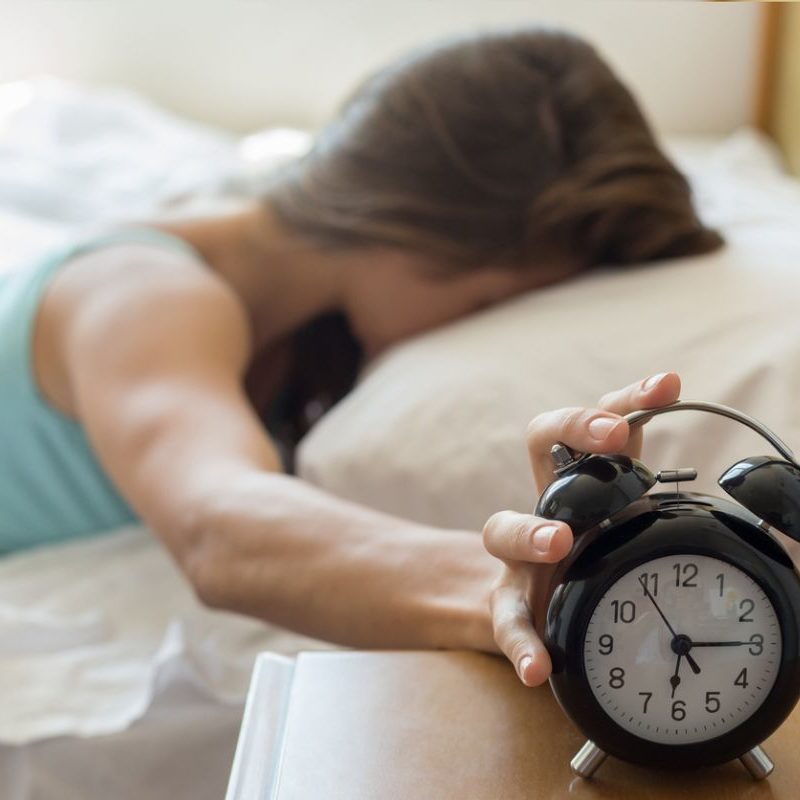
Crucially, the architecture of these 90-minute cycles shifts across the night. During the first half of the night (Cycles 1 and 2, roughly 11:00 PM to 3:00 AM), N3 Slow-Wave Deep Sleep dominates. It is during this deep delta-wave window that Dr. Maiken Nedergaard and her team at the University of Rochester (published in Science, 2013) discovered the brain’s glymphatic system in action: astrocytic glial cells shrink by roughly 60%, allowing cerebrospinal fluid (CSF) to convectively flush through brain parenchyma at 10 to 20 times the waking rate—clearing metabolic detritus including soluble beta-amyloid and tau proteins.
During the second half of the night (Cycles 4 and 5, roughly 4:00 AM to 7:00 AM), Deep N3 tapers off and lengthy bouts of REM sleep and Stage N2 sleep spindles take over. Consequently, when you sleep from midnight to 6:00 AM instead of 10:30 PM to 6:30 AM, or when you cut an eight-hour night short by two hours to catch an early workout or market open, you disproportionately amputate 60% to 80% of your total REM sleep.
3. The Endocrine, Metabolic & Cognitive Cost of Chronic Sleep Restriction
Controlled clinical studies published over the past two decades reveal how rapidly partial sleep deprivation erodes both cognitive decision-making and systemic physiology:
- Psychomotor Vigilance & Subjective Blindness (Van Dongen et al., 2003): In a landmark 14-day laboratory study at the University of Pennsylvania, subjects restricted to 6 hours of time-in-bed per night accumulated attentional lapses on the Psychomotor Vigilance Task (PVT) equivalent to 24 to 48 hours of total sleep deprivation. Even more striking, their subjective sleepiness scores plateaued after Day 4—meaning chronic 6-hour sleepers walk around convinced they are functioning at 95% capacity while objectively performing as if legally intoxicated.
- Metabolic & Appetite Dysregulation (Spiegel, Tasali, Penev, & Van Cauter, 2004): At the University of Chicago, restricting healthy young men to 4 hours of sleep for just two nights caused a 18% drop in leptin (the satiety hormone that signals fullness) and a 28% surge in ghrelin (the hunger-inducing peptide), triggering a 35%–45% increase in cravings for high-glycemic, calorie-dense carbohydrates alongside measurable insulin resistance.
- Endocrine & Immune Suppression (Leproult & Van Cauter, 2011; Prather et al., 2015): Sleeping 5 hours per night for one week reduced daytime circulating testosterone levels in healthy young men by 10% to 15% (equivalent to aging 10 to 15 years). In viral-challenge studies at UCSF (Prather et al., 2015), individuals sleeping fewer than 6 hours per night were 4.2 times more likely to contract the common cold rhinovirus after direct nasal exposure than those sleeping 7 hours or more.
4. Biometric Telemetry: Tracking Recovery with WHOOP 4.0 & Oura Ring Gen 3
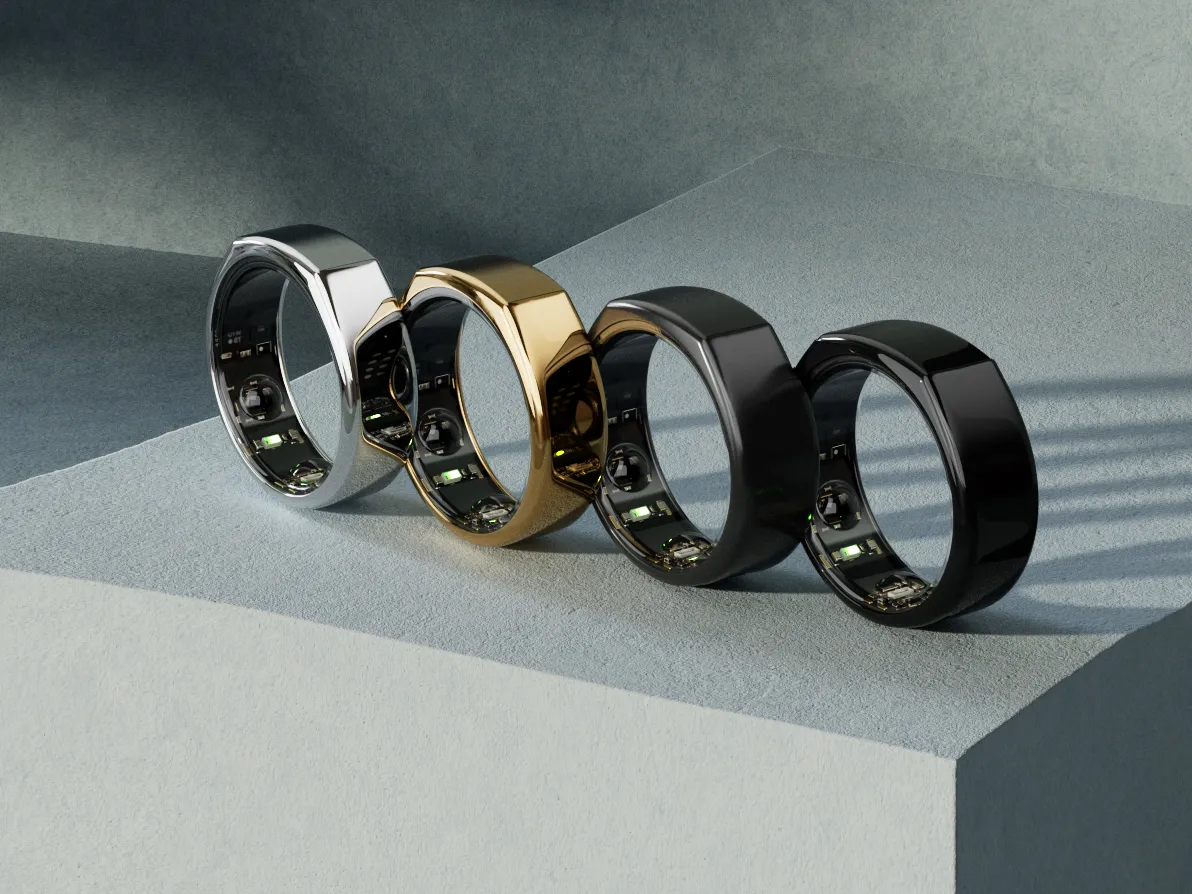
In portfolio management, you never fly blind without risk telemetry. By late 2021 and early 2022, consumer physiological monitoring took a major leap forward with the release of the WHOOP 4.0 (September 2021) and the Oura Ring Generation 3 (October 2021). Using green, red, and infrared photoplethysmography (PPG) sensors, negative-temperature-coefficient (NTC) skin thermistors, and 3D accelerometers, these devices sample pulse wave dynamics during slow-wave sleep to quantify recovery objectively.
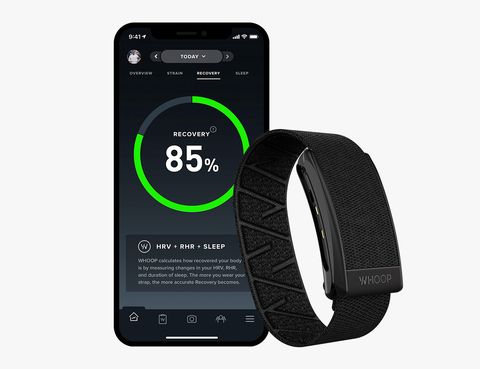
- Heart Rate Variability (HRV via RMSSD): Both WHOOP and Oura calculate the Root Mean Square of Successive Differences (RMSSD) between normal-to-normal R-R heartbeat intervals (measured in milliseconds). Because RMSSD specifically captures high-frequency beat-to-beat modulation mediated by the cranial vagus nerve (parasympathetic nervous system), an upward trend in your 7-day rolling HRV average relative to your 60-day baseline signals high autonomic readiness. Conversely, dehydration, psychological stress, late-night eating, or overtraining suppresses vagal tone and drops HRV sharply.
- Resting Heart Rate (RHR) & Overnight Stabilization Slope: Beyond the single RHR number, Oura’s overnight heart-rate graph reveals the shape of your recovery. An optimal night exhibits a “downward slope” or early “hammock” where RHR reaches its lowest point (nadir) in the middle third of the night before gently rising before dawn. A late dinner or intense 9:00 PM workout forces the cardiovascular system to pump blood for digestion and thermoregulation, delaying your RHR nadir until right before your alarm rings.
- Respiratory Rate & Dermal Temperature Deviations: Because nocturnal respiratory rate (typically 12–16 breaths/min) has a coefficient of variation below 4% in healthy adults, a sudden +1.5 to +2.0 breath/min spike coupled with a +0.4°C skin temperature elevation often flags an immune response 24 to 48 hours before overt symptoms appear.
5. Environmental Decluttering & Practical Circadian Protocols
Translating sleep science into daily life requires treating your bedroom and daily schedule with the same intentionality as your training or work calendar:

- Anchor Morning Sunlight Within 30–60 Minutes of Waking: Step outside for 10–15 minutes of direct natural light (even on overcast days, outdoor irradiance reaches 5,000–10,000 lux compared to 150–300 lux indoors). This anchors the SCN, sharpens morning alertness, and times melatonin onset 16 hours later.
- Enforce an 8-to-10 Hour Caffeine Cutoff: Keep coffee and tea before 1:00–2:00 PM so adenosine receptors are clear by bedtime, preserving N3 slow-wave amplitude.
- Optimize Thermal Drop (18°C–20°C Bedroom + Warm Shower Effect): Keep the sleeping environment cool and dark. Taking a warm shower 60 minutes before bed triggers peripheral vasodilation in the hands and feet, rapidly radiating heat out of your core once you step into a cool room.
- Declutter the Physical & Cognitive Space: Remove work laptops, messy paperwork, and bright overhead LEDs from the sleeping environment. Reserve the bed strictly for sleep so the brain forms an immediate pavlovian association between the pillow and sleep onset.
- Follow the 3-2-1 Evening Protocol: Cease heavy caloric intake 3 hours before bed, close work communication 2 hours before bed, and eliminate blue-light screens 1 hour before lights-out.
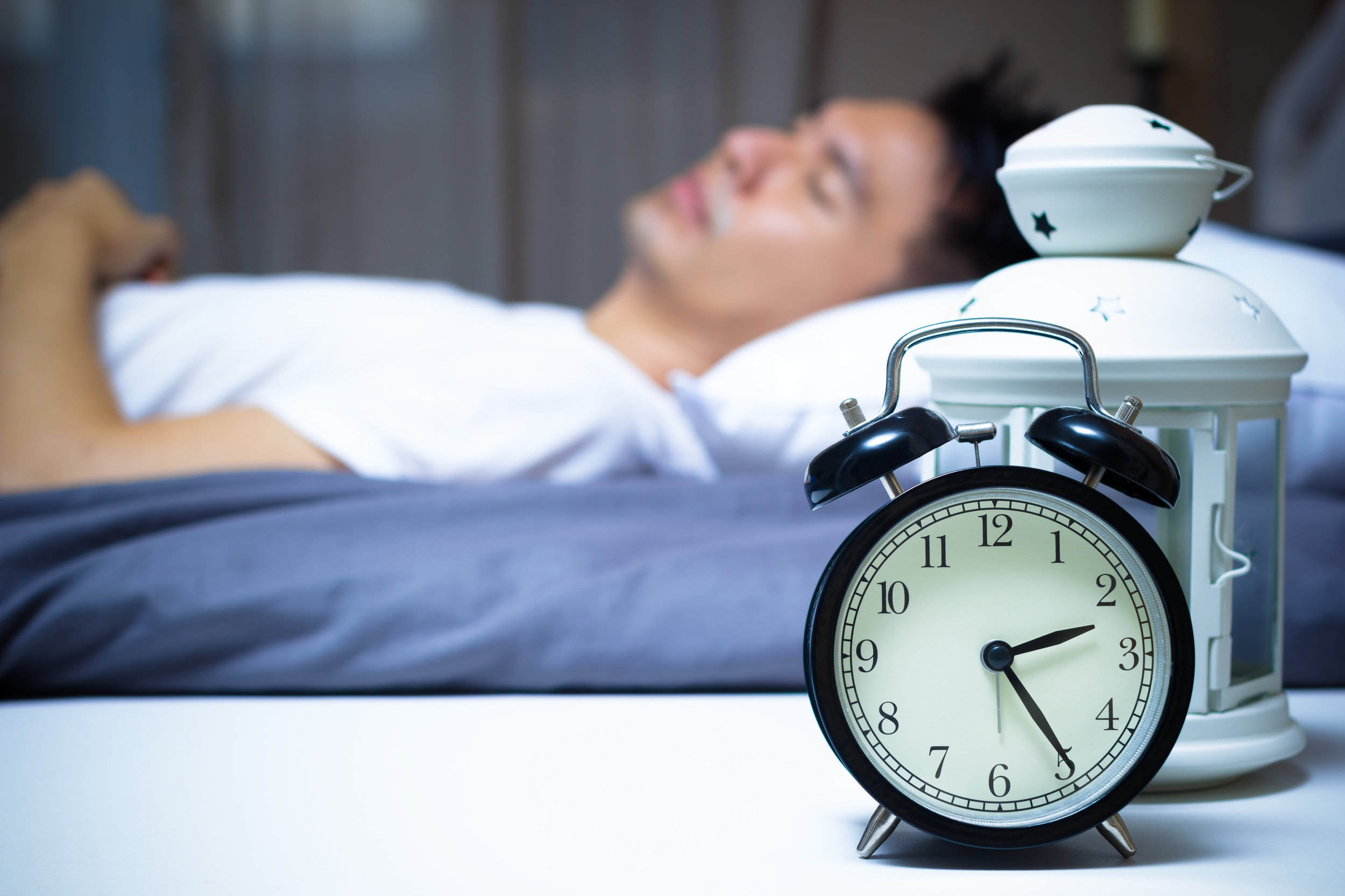
Treat sleep not as the residual time left over after your day is finished, but as the foundational investment that determines the quality of every waking hour tomorrow.
Sources, Academic Citations & Media Credits
Academic & Scientific Literature (Published as of March 2022):
- Walker, Matthew (2017). Why We Sleep: Unlocking the Power of Sleep and Dreams. New York: Scribner / Simon & Schuster. Publisher Link.
- Borbély, Alexander A. (1982). “A two process model of sleep regulation.” Human Neurobiology, 1(3), 195–204. PubMed: 7185792.
- Xie, Lulu, Nedergaard, Maiken, et al. (2013). “Sleep Drives Metabolite Clearance from the Adult Brain.” Science, 342(6156), 373–377. DOI: 10.1126/science.1241224.
- Van Dongen, Hans P. A., Maislin, Greg, Mullington, Janet M., & Dinges, David F. (2003). “The cumulative cost of additional wakefulness: dose-response effects on neurobehavioral functions and sleep physiology from chronic sleep restriction and total sleep deprivation.” Sleep, 26(2), 117–126. DOI: 10.1093/sleep/26.2.117.
- Spiegel, Karine, Tasali, Esra, Penev, Plamen, & Van Cauter, Eve (2004). “Brief communication: Sleep curtailment in healthy young men is associated with decreased leptin levels, elevated ghrelin levels, and increased hunger and appetite.” Annals of Internal Medicine, 141(11), 846–850. DOI: 10.7326/0003-4819-141-11-200412070-00008.
- Leproult, Rachel & Van Cauter, Eve (2011). “Effect of 1 Week of Sleep Restriction on Testosterone Levels in Young Healthy Men.” JAMA, 305(21), 2173–2174. DOI: 10.1001/jama.2011.710.
- Prather, Aric A., Janicki-Deverts, Denise, Hall, Martica H., & Cohen, Sheldon (2015). “Behaviorally Assessed Sleep and Susceptibility to the Common Cold.” Sleep, 38(9), 1353–1359. DOI: 10.5665/sleep.4968.
- WHOOP Inc. (2021). WHOOP 4.0 Biometric Validation & Heart Rate Variability (RMSSD) Technical Documentation. whoop.com; Oura Health Oy (2021). Oura Ring Generation 3 Sleep Staging & PPG Sensor Architecture. ouraring.com.
Image & Media Credits: Product imagery of the Oura Ring Gen 3 credited to Oura Health Oy / Wired press kit; WHOOP strap imagery credited to WHOOP Inc.; sleep health and bedroom environment visuals credited to E.Excel / respective editorial photographers. Used for non-commercial educational and commentary purposes.